




















Best choice
Cool, dry cupboard
A pantry, hallway cupboard, or bedroom drawer can work well when it stays dry, shaded, and away from heat sources. Keep lids tightly closed and products in their original packaging.
Explore common health concerns and discover practitioner-grade nutritional support tailored to help restore balance and support your overall wellbeing.
Health concerns rarely arrive in neat little boxes. If more than one area feels relevant, begin with the pattern affecting daily life the most — energy, sleep, digestion, mood, immunity, or hormonal balance.
Persistent, worsening, unexplained, or sudden symptoms should be discussed with a qualified health professional, especially when medication, pregnancy, breastfeeding, or existing health conditions are involved.
For customers who value better guidance, clearer choices, and a more thoughtful way to shop practitioner-grade wellness.

Protect the product after purchase
Supplements are not “set and forget” products. Heat, humidity, light, air exposure, and time can all affect quality, especially for sensitive products such as probiotics, fish oils, liquid formulas, and powders.
Expiry dates are there for a reason. They indicate the period in which the product is expected to maintain its quality when stored correctly. Once products are stored poorly, that expected quality window can become less reliable.
GhamaHealth’s advice is simple: keep supplements cool, dry, sealed, labelled, away from children and pets, and stored according to the instructions on the packaging. A bathroom cabinet may be convenient, but it is often too humid for reliable supplement storage.
Where products live matters
The right storage location helps protect supplement quality. The goal is not a perfect laboratory at home. It is simply to avoid heat, humidity, light, and unnecessary exposure.
A pantry, hallway cupboard, or bedroom drawer can work well when it stays dry, shaded, and away from heat sources. Keep lids tightly closed and products in their original packaging.
Kitchens can be fine if products are away from the stove, kettle, dishwasher, window, and sink. Avoid benches and warm cupboards near appliances.
Bathrooms are usually humid and temperature-variable. Steam and moisture can affect tablets, capsules, powders, and labels, so a dry cupboard outside the bathroom is usually a better choice.
Match storage to the format
Different supplement formats have different weak points. A capsule, powder, probiotic, and liquid fish oil should not all be treated the same way.
| Supplement Type | Best Storage Approach | What to Watch For |
|---|---|---|
| Tablets and capsules | Store: cool, dry, sealed, and away from direct sunlight. Keep in the original container unless advised otherwise. | Moisture, damaged seals, soft capsules that stick together, unusual smell, broken tablets, or faded labels. |
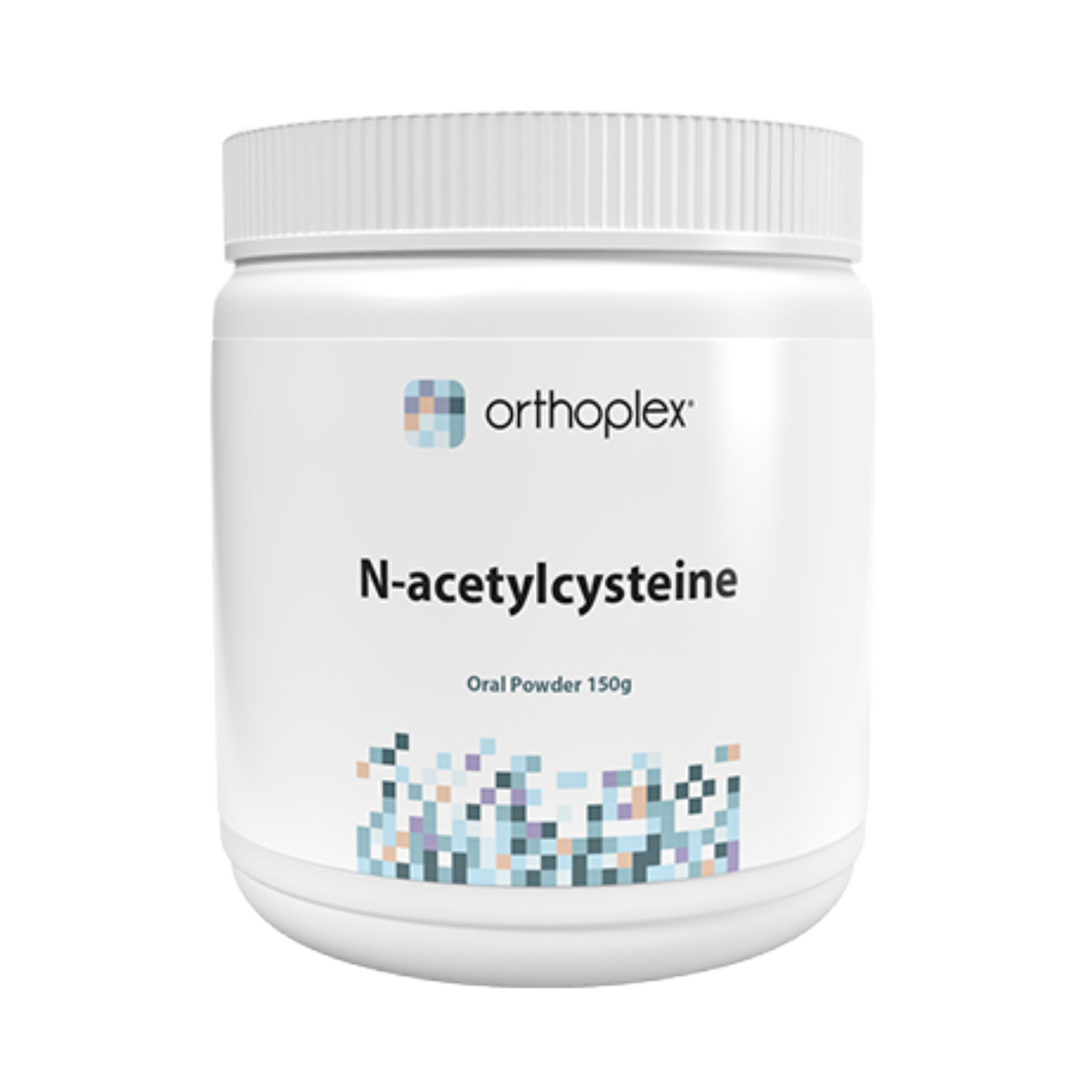
| Powders | Store: tightly sealed with the scoop kept dry. Avoid steam, wet hands, and humid benches. | Clumping, hardening, moisture inside the tub, odour changes, or texture changes. |
| Probiotics | Store: exactly as directed on the label. Some require refrigeration, while shelf-stable probiotics still need cool, dry storage. | Heat exposure, leaving the product in a hot car, unclear refrigeration instructions, or using past expiry. |
| Fish oils and oils | Store: away from heat, light, and air. Follow label directions after opening and keep the lid tightly closed. | Rancid smell, strong off taste, cloudiness, leaking softgels, or bottle exposure to heat. |
| Liquid supplements | Store: follow refrigeration and “use within” instructions after opening. Keep the cap clean and tightly sealed. | Colour change, off smell or taste, unexpected sediment, cloudiness, mould, gas build-up, or damaged packaging. |
| Herbal liquids | Store: according to the label, usually away from heat and light. Use a clean measure and avoid contaminating the bottle opening. | Unexpected separation, strong odour change, visible contamination, or changes beyond normal herbal sediment. |
Keep, check or replace?
Expired supplements are often less reliable because potency and quality may decline. In some cases, spoilage or contamination concerns may also apply, especially with liquids, oils, powders, and products that have been poorly stored.
If the expiry date has passed, replace the product rather than relying on it for therapeutic or practitioner-directed use.
A product left in a hot car, humid bathroom, or open container may be less reliable even before the expiry date.
Look for changes in smell, colour, texture, clumping, leaking, cloudiness, broken seals, or unusual taste.
If the product looks wrong, smells wrong, or has unclear storage history, replacing it is usually the safer decision.
Extra care products
Some supplement formats are more vulnerable to heat, air, moisture, and time. These products deserve stricter handling than a standard tablet bottle.
Liquid supplements, fish oils, and oil-based softgels may be more prone to oxidation, rancidity, or quality changes when exposed to heat, light, or air. Follow opening instructions carefully and keep caps tightly closed.
Probiotic formulas contain live organisms, so storage instructions matter. Some are shelf-stable, while others require refrigeration. Heat exposure can affect viability, especially during storage after delivery.
Finish the routine properly
Clearing expired or damaged supplements is part of responsible supplement care. It also helps prevent accidental use later, especially when a product’s storage history is unclear.
For expired or unwanted supplements, check local council, pharmacy, or medicine take-back options where available. Avoid flushing products down the toilet or pouring liquids into drains unless local disposal advice specifically says to do so.
When replacing a product, check whether it still suits the person’s current needs, medicines, health status, and practitioner recommendations. A supplement that made sense two years ago may not automatically belong in the routine now.
Useful next step
The useful question is not just “has it expired?” It is “has it been stored well enough to remain reliable?”
Yes. Supplements usually carry an expiry date that reflects the period in which quality and potency are expected to be maintained when stored correctly.
Expired vitamins may be less reliable because potency can decline. For therapeutic, practitioner-directed, or sensitive products, replacing expired supplements is the safer approach.
Most vitamins should be stored in a cool, dry place away from heat, moisture, and direct sunlight. Always follow the storage instructions on the label.
Only refrigerate supplements when the label says to do so. Some probiotics, liquids, and oils may require refrigeration, but not every supplement belongs in the fridge.
Warning signs may include colour changes, off smell or taste, unexpected cloudiness, mould, gas build-up, unusual sediment changes, or damaged packaging. If a liquid product looks or smells wrong, replace it.
Bring it together
Vitamin storage is not complicated, but it does matter. Heat, moisture, light, air exposure, and time can all affect supplement quality, especially for sensitive products such as probiotics, fish oils, liquid formulas, and powders.
The best storage approach is simple: keep supplements cool, dry, sealed, labelled, and away from children, pets, sunlight, humidity, and heat sources. Follow the label carefully, especially when refrigeration or “use within” instructions apply after opening.
Expiry dates should not be treated as optional. If a product is expired, poorly stored, damaged, smells unusual, looks different, or has unclear handling history, replacing it is usually the safer decision. Supplements are there to support health, so product quality and safe storage matter.
Explore further
A final note
This article is for general educational purposes only and is not intended as medical advice, diagnosis, or treatment. Supplement quality, storage needs, and expiry guidance may vary by product, brand, ingredient, dosage form, and manufacturer directions.
Always follow the storage instructions on the product label. Speak with a pharmacist, GP, practitioner, or qualified healthcare professional if unsure whether a supplement is suitable, safe to use, expired, damaged, contaminated, or appropriate for the current health situation.
For more details, read our Health Disclaimer & Liability Notice.


OUR WAREHOUSE
26 Artisan Rd.
Seven Hills, NSW 2147
Tel: +61 2 9683 2598
Dispatch warehouse only — no public access or counter sales.
We acknowledge the Darug People of the Burramattagal as the Traditional Custodians of the land on which we work, live, and learn. We pay our respects to their Elders, past and present and extend that respect to Aboriginal and Torres Strait Islander peoples here today.

Choose the health area you want to support and explore clear, practical options without the product overwhelm.
• Browse by health goal
• Compare relevant options
• Review practical guidance


