

















Reduce the load
Alcohol, excess ultra-processed foods, unnecessary supplements, poor sleep and some medicines can increase the body’s processing demand.
Explore common health concerns and discover practitioner-grade nutritional support tailored to help restore balance and support your overall wellbeing.
Health concerns rarely arrive in neat little boxes. If more than one area feels relevant, begin with the pattern affecting daily life the most — energy, sleep, digestion, mood, immunity, or hormonal balance.
Persistent, worsening, unexplained, or sudden symptoms should be discussed with a qualified health professional, especially when medication, pregnancy, breastfeeding, or existing health conditions are involved.
For customers who value better guidance, clearer choices, and a more thoughtful way to shop practitioner-grade wellness.

●Article Guide
●Key Takeaways
Liver detox is one of the most overused phrases in wellness. It can make the liver sound blocked, dirty or in need of a dramatic reset. In reality, the liver is already one of the body’s main processing organs, working every day without needing a cleanse narrative.
A better approach is to reduce unnecessary load and support normal liver function through food quality, fibre, hydration, sleep, movement, alcohol awareness, medication safety and professional care when symptoms are concerning.
This guide separates liver detox myths from realistic liver support. It is not about fear, guilt or extreme restriction. It is about understanding what the liver actually does, what can support it, and when symptoms deserve medical advice.
Liver Detox Reframed
Instead of asking how to “detox the liver,” a more useful question is: how can daily habits reduce unnecessary load and support the body’s normal processing and elimination pathways?
Alcohol, excess ultra-processed foods, unnecessary supplements, poor sleep and some medicines can increase the body’s processing demand.
Protein, B vitamins, antioxidants, minerals and plant compounds help supply the nutrients involved in normal liver function.
Fibre, fluids, bowel regularity and bile flow help move processed waste products out of the body through normal routes.
Detox Myths
Detox language often makes big promises while skipping the basics. The problem is not the idea of supporting the liver. The problem is pretending that a cleanse can replace ordinary liver-health foundations or medical assessment.
The liver is not a dirty filter that needs rinsing. It processes substances through complex biochemical pathways.
Juice plans can be low in protein, fibre and total nutrients. The liver needs nourishment, not just liquids.
No supplement cancels out heavy drinking, poor sleep, unsafe medication use or persistent metabolic stress.
Headaches, dizziness, vomiting, severe fatigue or pain should not be dismissed as “toxins leaving.”
What the Liver Does
The liver helps process nutrients, medicines, alcohol, hormones, bile acids and many substances the body needs to transform or remove. It works alongside the gut, kidneys, lungs, lymphatic system and skin.
Bile supports fat digestion and helps carry some waste products into the digestive tract for elimination.
The liver helps store, convert and regulate nutrients such as glucose, amino acids, fats and some vitamins.
Medicines, alcohol, hormones and other compounds may be transformed in the liver before removal or reuse.
The liver does not work alone. Bowel regularity, kidney function, hydration and bile flow all matter.
Food Foundations
A liver-supportive food pattern does not need to be extreme. It usually looks like enough protein, fibre, colourful plant foods, healthy fats, fluids and less reliance on alcohol and ultra-processed foods.
The liver needs steady raw materials. Very low-calorie cleanses and juice-only plans may feel dramatic, but they can miss protein, fibre and overall nourishment.
Protein provides amino acids used in many body processes, including repair, enzymes and normal liver function.
Vegetables, legumes, oats, seeds, fruit and whole grains support bowel regularity and waste elimination.
Leafy greens, berries, cruciferous vegetables, herbs and spices provide antioxidants and plant compounds.
Extra virgin olive oil, nuts, seeds, avocado and oily fish can support a balanced eating pattern.
Reducing alcohol load is one of the most practical liver-supportive choices for many adults.
Lifestyle Foundations
Liver support is not only about food. Sleep, movement, medication safety, weight and metabolic health, alcohol intake and exposure reduction all matter.
Regular sleep helps the body recover and regulate appetite, stress and metabolic rhythm.
Walking and strength-based activity support metabolic health, circulation and energy balance.
Alcohol intake is a key modifiable liver load. Cutting back can be a meaningful step.
Use medicines only as directed and avoid combining alcohol with medications unless cleared by a clinician.
Persistent fatigue, jaundice, pain, itching, swelling or abnormal blood tests should be assessed.
Supplement Context
Liver-support products may include nutrients, herbs, amino acids and antioxidants. Their role should be realistic: support normal function, not promise to flush toxins or treat liver disease.
Traditional liver and bile-flow support context.
May be used in formulas positioned for liver function, digestion and bile support.
Check suitability with gallstones, bile duct issues, pregnancy, breastfeeding, allergies or medication use.
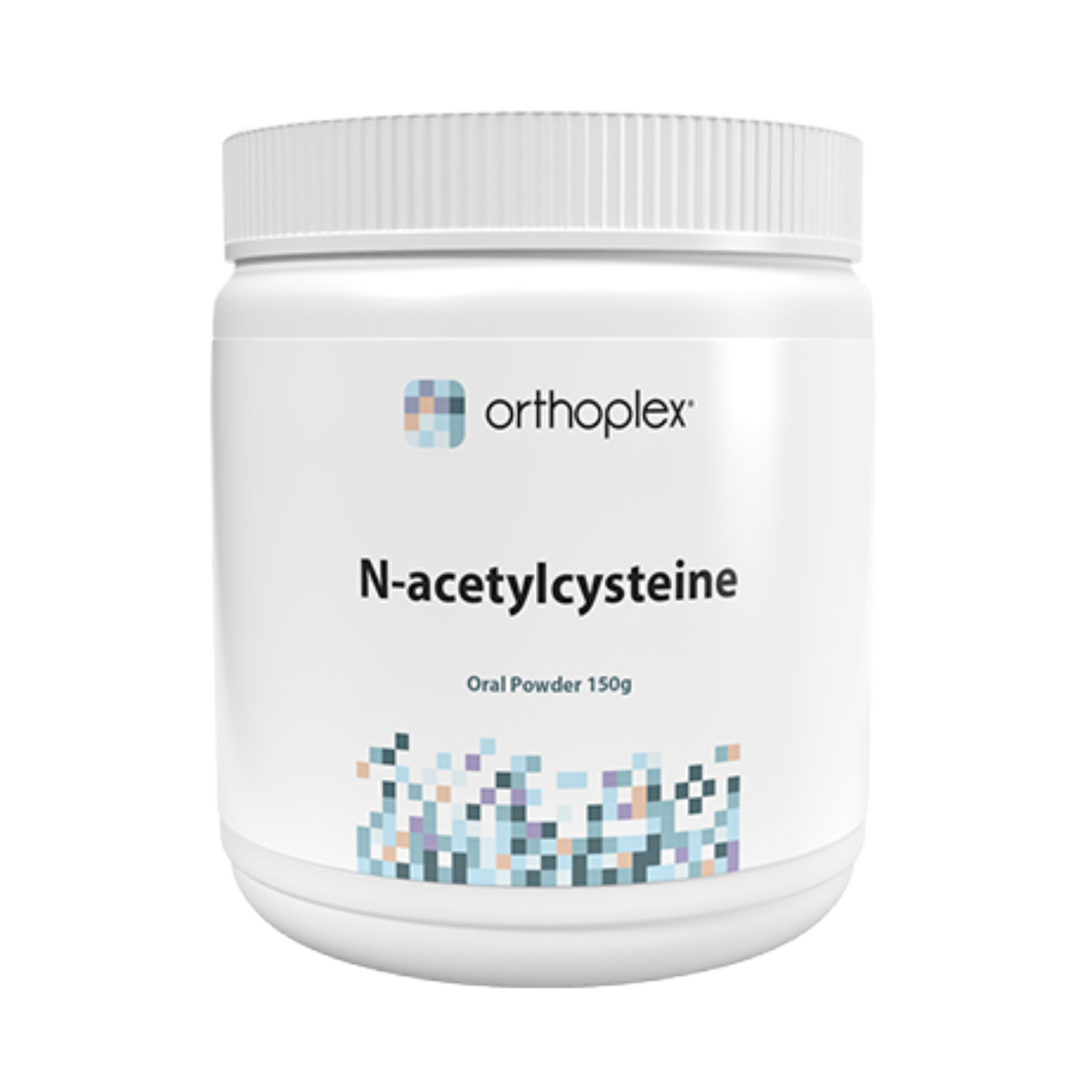
Antioxidant and sulphur-amino-acid context.
NAC is commonly used to support glutathione pathways and oxidative-stress balance.
Use caution with medicines, asthma, ulcers, surgery preparation, pregnancy or breastfeeding.
Raw materials for normal body processes.
May help when protein intake is low or meals are inconsistent.
Seek advice with kidney disease, liver disease or complex medical conditions.
Elimination and bowel-regularity context.
Fibre, prebiotics or gut-support powders may help bowel rhythm and digestive comfort.
Increase slowly and seek advice with severe bloating, bowel disease, pain or unexplained symptoms.
When to Seek Advice
Some symptoms should not be managed with cleanses, teas or supplements. They need professional assessment.
FAQs + Checklist
These questions cover liver detox myths, food-based support, alcohol load, supplements, bile flow, red flags and when to seek medical advice.
The liver already helps process substances the body needs to transform or eliminate. It does not need harsh cleanses, but it can be supported by healthy food patterns, hydration, fibre, sleep, movement, lower alcohol intake and appropriate medical care.
Juice cleanses are often low in protein, fibre and total nutrients. They may reduce food intake temporarily, but they should not be positioned as liver treatment or a necessary detox tool.
A liver-supportive diet usually includes protein, vegetables, legumes, whole grains, fruit, nuts, seeds, healthy fats and enough fluids. Reducing alcohol and ultra-processed foods may also help reduce liver load.
Some supplements may support normal liver function, bile flow, antioxidant pathways or nutrient status. Suitability depends on the person, product, dose, health conditions, medicines and label directions.
Seek medical advice for yellow skin or eyes, dark urine, pale stools, persistent abdominal pain, unexplained weight loss, severe itching, swelling, unusual bleeding, persistent nausea or abnormal liver blood tests.
Related Products

Herb-nutrient liver support with milk thistle, globe artichoke and antioxidant nutrients.

N-acetyl-cysteine support for antioxidant pathways, glutathione production and oxidative-stress balance.

Nutrients and botanicals positioned for liver function, lipid metabolism and antioxidant support.

Gut mucosal, fibre and flora support for digestive function and bowel rhythm.
Conclusion
The liver does not need to be bullied into doing its job. It already processes nutrients, medicines, alcohol, hormones and waste products as part of the body’s normal physiology.
The most useful support is usually less dramatic: reduce alcohol load, eat enough protein and fibre, include colourful plant foods, support bowel regularity, sleep well, move regularly, use medicines safely and seek medical advice for warning signs.
GhamaHealth summary: avoid cleanse theatrics, support the foundations, use supplements carefully where appropriate, and do not treat symptoms such as jaundice, pain or unexplained weight loss as a detox issue.
Related Reads
Important Information
This article provides general educational information only and does not replace personalised medical advice, diagnosis or treatment. Liver symptoms, abnormal liver blood tests, jaundice, abdominal pain, unexplained weight loss, severe itching, swelling, vomiting or unusual bleeding should be assessed by a qualified healthcare professional.
Supplements, herbs, liver-support formulas, antioxidants, amino acids, fibre products and gut-support products may not be suitable for everyone, especially during pregnancy, breastfeeding, medication use, gallbladder disease, bile duct obstruction, liver disease, kidney disease, surgery preparation, chronic illness or complex health conditions.
Always read the label and follow directions for use. Do not use supplements to mask symptoms, continue unsafe alcohol intake, replace medical care or treat liver disease unless advised by a qualified healthcare professional.
For our full Health Disclaimer & Liability Notice, please visit: Health Disclaimer.


OUR WAREHOUSE
26 Artisan Rd.
Seven Hills, NSW 2147
Tel: +61 2 9683 2598
Dispatch warehouse only — no public access or counter sales.
We acknowledge the Darug People of the Burramattagal as the Traditional Custodians of the land on which we work, live, and learn. We pay our respects to their Elders, past and present and extend that respect to Aboriginal and Torres Strait Islander peoples here today.


